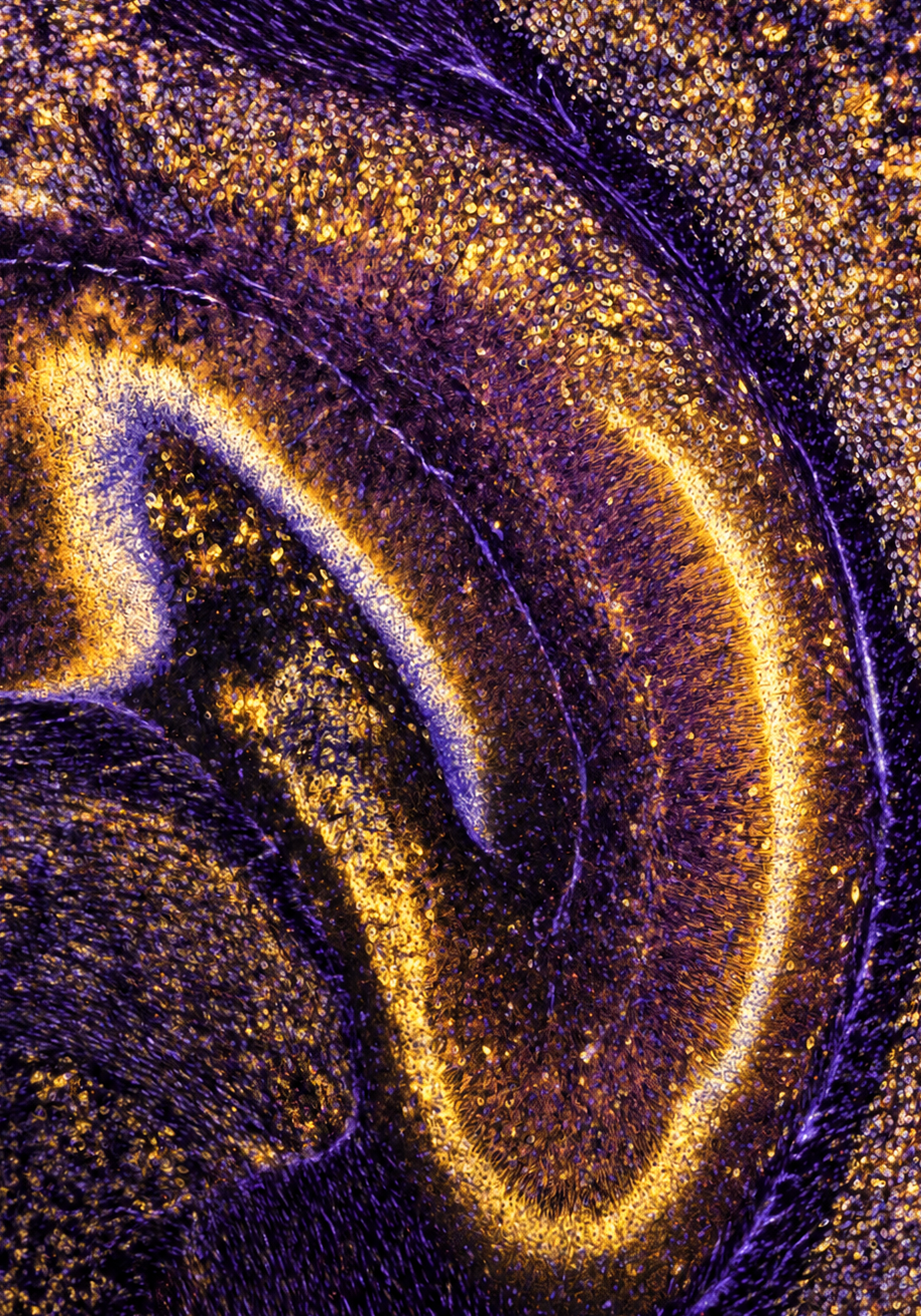
We study ERAD!
-
Approximately one-third of cellular proteins enter the endoplasmic reticulum (ER) for folding, maturation, or membrane integration. Because these processes are inherently error-prone, ER-associated degradation (ERAD) serves as a central protein quality-control pathway for eliminating aberrant proteins. The SEL1L–HRD1 ERAD complex constitutes a principal mammalian ERAD machinery, directing selected misfolded or improperly assembled ER proteins toward proteasomal degradation and thereby supporting cellular and tissue homeostasis.
-
ERAD-associated neurodevelopmental disorder with onset in infancy (ENDI syndrome) is a rare condition caused by hypomorphic variants in the SEL1L–HRD1 ERAD machinery. Affected individuals exhibit developmental delay, intellectual disability, and neurological abnormalities, revealing an essential role for ER protein quality control in human brain development. Our research seeks to understand how impaired ERAD disrupts neural cells and contributes to neurodevelopmental disease.
-
Age-related decline in protein quality control may compromise neuronal function and contribute to neurodegenerative diseases, including Alzheimer’s disease. We seek to understand how ERAD protects the aging brain and how its disruption influences disease progression.